Ornamental grasses bring movement, texture, and vibrant color to Georgia landscapes. These versatile plants offer year-round interest, are generally low-maintenance, and thrive in the state’s varied climates, perfect for the humid summers of Metro Atlanta. Whether you’re seeking a dramatic focal point for Buckhead estates or a soft border for Milton gardens, there’s a grass for every need. This guide will help Georgia gardeners and landscapers select, plant, and care for a selection of top ornamental grasses, each with its own unique charm.
General Planting Considerations for Georgia Ornamental Grasses
Before choosing your ornamental grass, it’s important to consider the local conditions. Georgia’s climate ranges from humid subtropical in the south and central regions to cooler temperatures in the north; specifically, the Greater Atlanta area sits in USDA Hardiness Zones 7b and 8a. Most ornamental grasses perform best in well-drained soil and locations that receive full sun, though some tolerate partial shade. While many of these varieties thrive in Georgia’s famous red clay, it is often helpful to amend heavy soil with compost to improve drainage and fertility. Plant grasses in spring or early fall for the best establishment, and provide regular water during their first growing season.
10 Ornamental Grasses Great for Metro Atlanta Homes
With so many varieties of ornamental grasses to chose from, it can be tough to know which ones to select. Here are our top 11 picks, with key features and tips on care.
Blue Fescue (Festuca glauca)
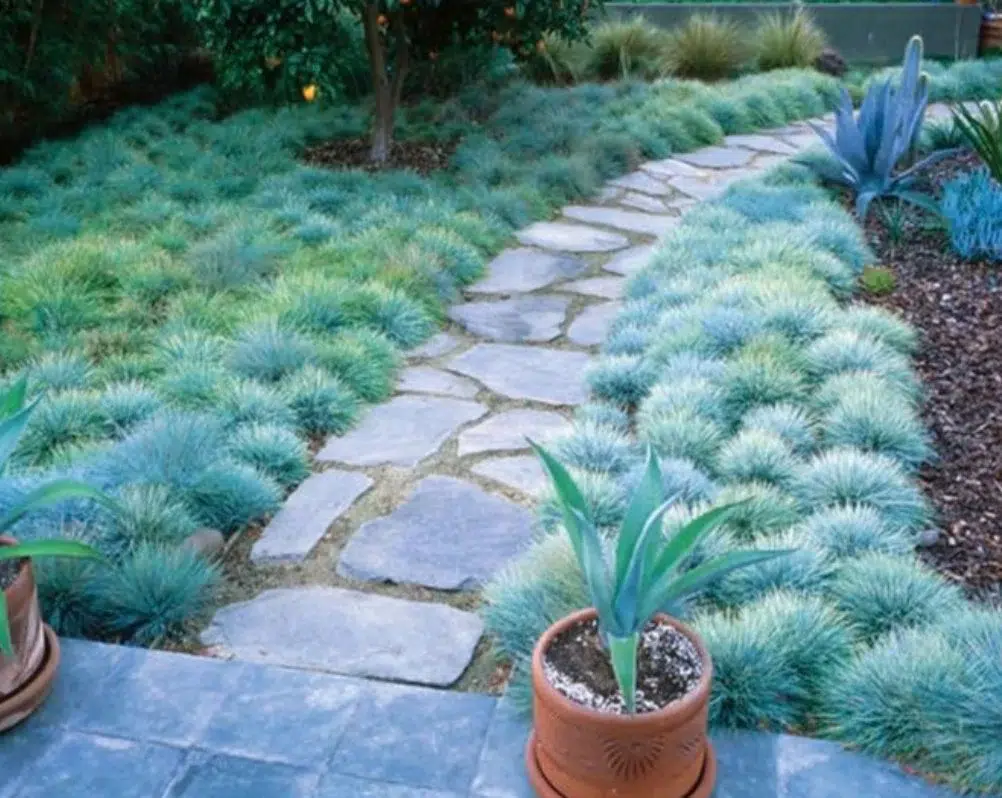
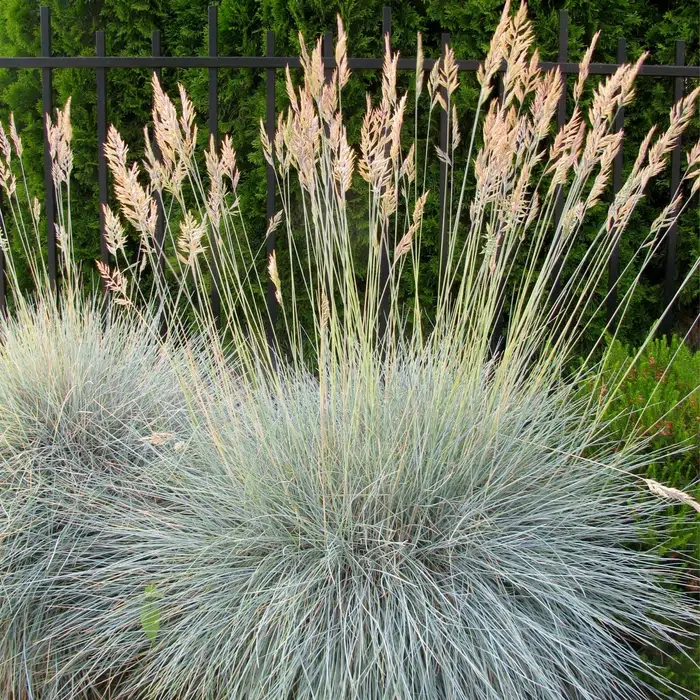
Blue fescue ornamental grasses are small, compact, clumping grasses known for their fine, steel-blue foliage. Like many ornamental grasses, it prefers well-drained, sandy or loamy soil and thrives in full sun but tolerates light shade. It grows a mere 8-12 inches tall and wide, making it ideal for edging, rock gardens, and containers. Its tidy, mounded growth habit brings neatness to landscapes, and the silvery-blue color stands out against green or flowering plants. Since it doesn’t go dormant, blue fescue ornamental grass makes for year round interest. In the late summer, it sports straw colored plumes.
Mexican Feathergrass (Nassella tenuissima)

Mexican feathergrass adds airy movement with its delicate, hair-like leaves and feathery flower heads. It grows best in dry, well-drained soils and full sun, tolerating drought once established. Reaching 18-24 inches tall, it sways beautifully in the breeze, perfect for mass plantings, borders, or naturalistic designs. The foliage is bright green, fading to golden as the season progresses, and the fine texture creates a soft, graceful effect.
Zebra Grass (Miscanthus sinensis ‘Zebrinus’)
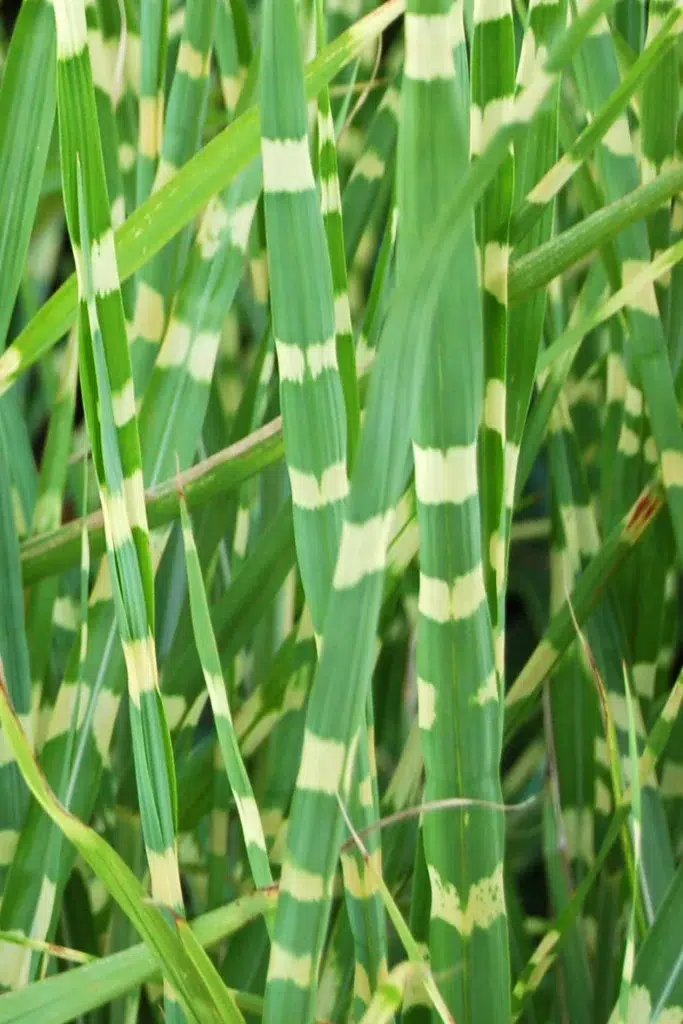
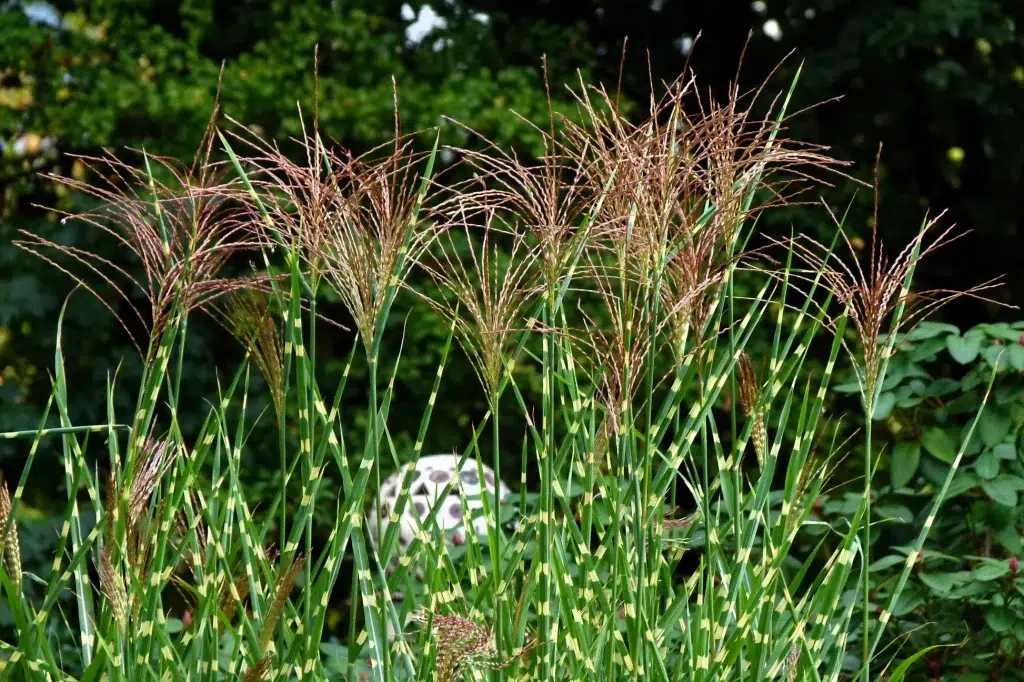
Zebra grass makes a bold statement with tall, upright stems and horizontal yellow bands across green leaves. It prefers moist, well-drained soil and full sun, growing 5-7 feet tall. Use it for privacy screens, specimen plantings, or background accents. In late summer, it produces silky, pinkish plumes that age to tan, adding even more interest. The striking striped foliage catches the eye and adds architectural height.
Japanese Bloodgrass (Imperata cylindrica ‘Red Baron’)
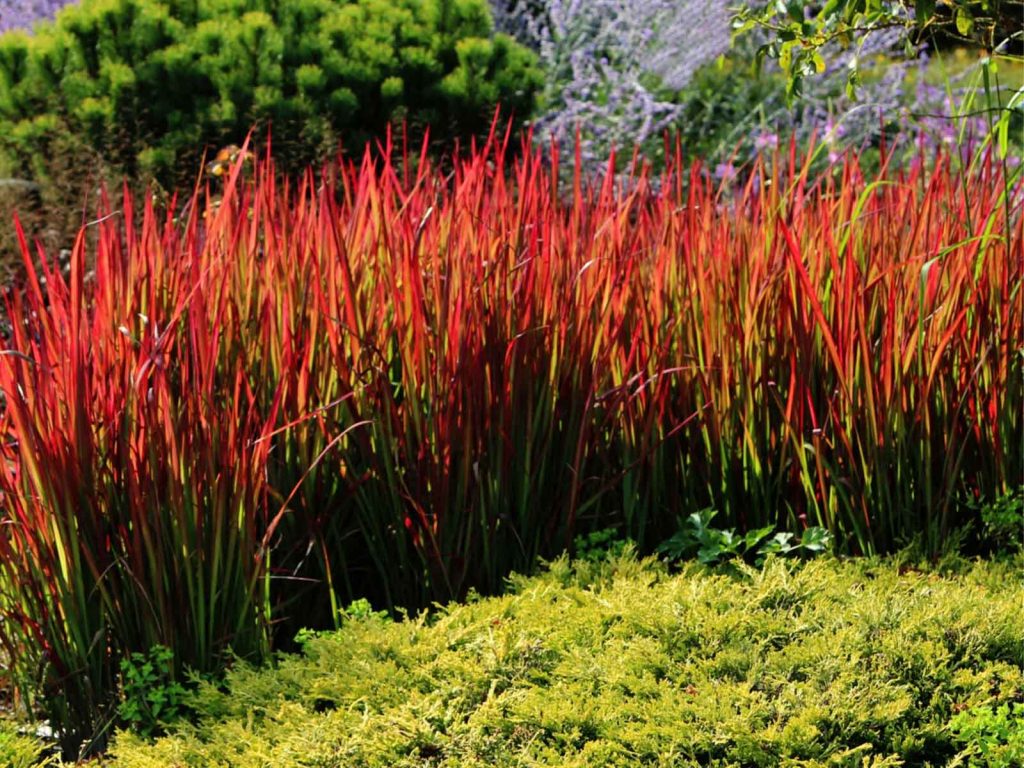
Japanese bloodgrass is prized for its vibrant red-tipped leaves, especially vivid in the fall. It thrives in moist, well-drained soils and full sun but tolerates partial shade. Growing up to 18 inches tall, it forms spreading clumps—ideal for borders or mass plantings. The foliage starts green and gradually turns blood-red, creating a fiery display that contrasts well with other grasses and perennials.
Pink Muhly Grass (Muhlenbergia capillaris)
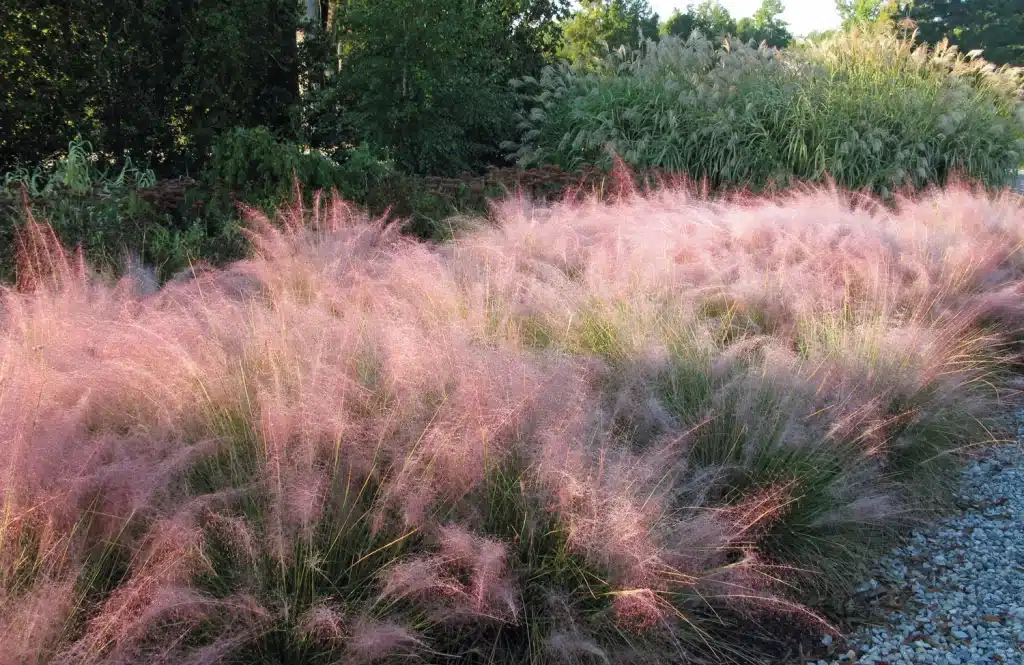
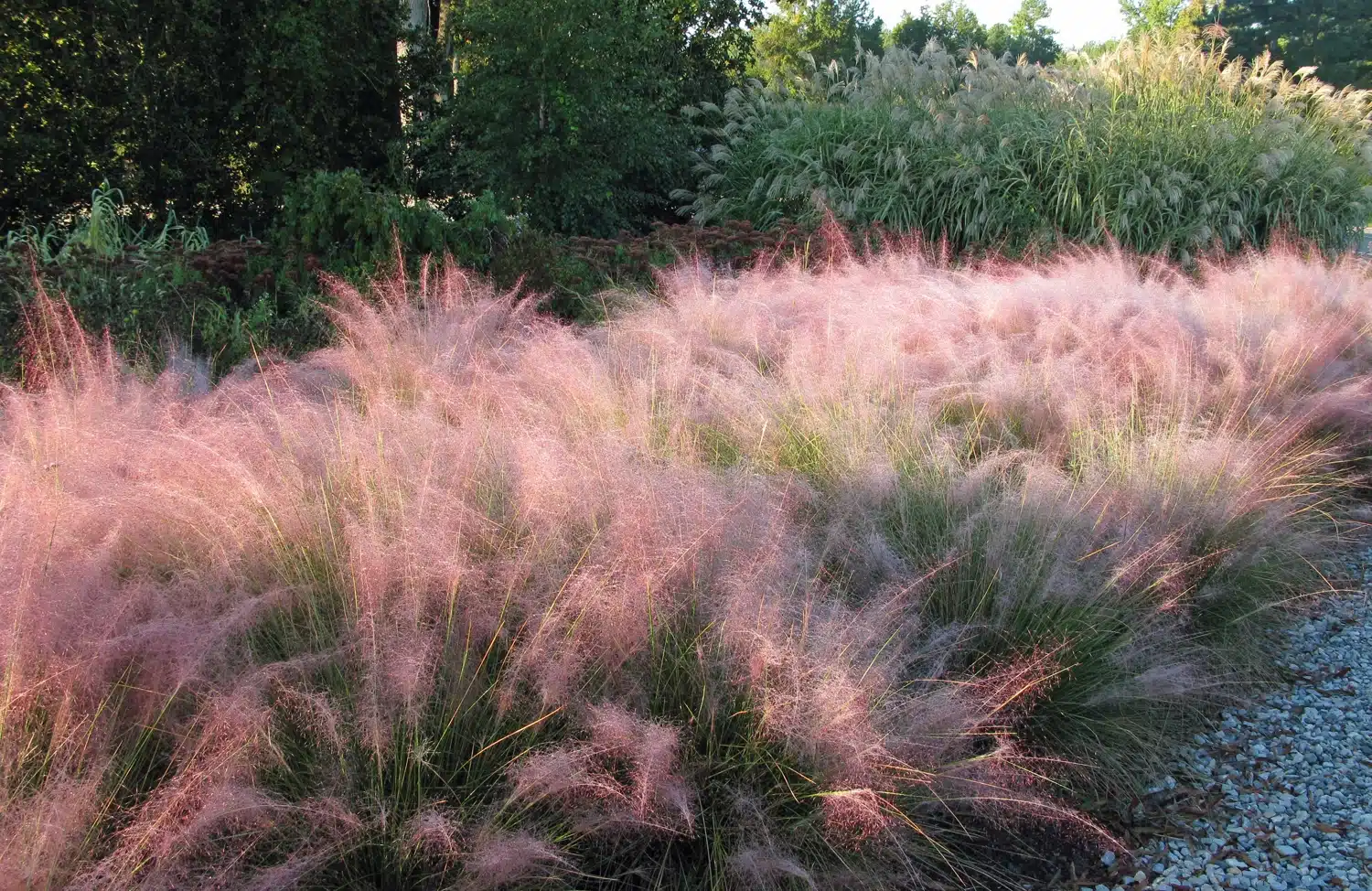
Pink muhly grass is one of the showiest grasses on our list, and a native Georgia favorite. It produces clouds of attractive pink, airy flower plumes in late summer and fall. It prefers sandy or loamy soil and full sun, tolerating poor soils and drought. Plants reach 2-3 feet tall and wide, perfect for groupings, mass plantings, or mixed borders. The fine-textured, green foliage provides a soft base, while the vivid pink blooms create a dramatic, ethereal effect.
Upland River Oats (Chasmanthium latifolium)

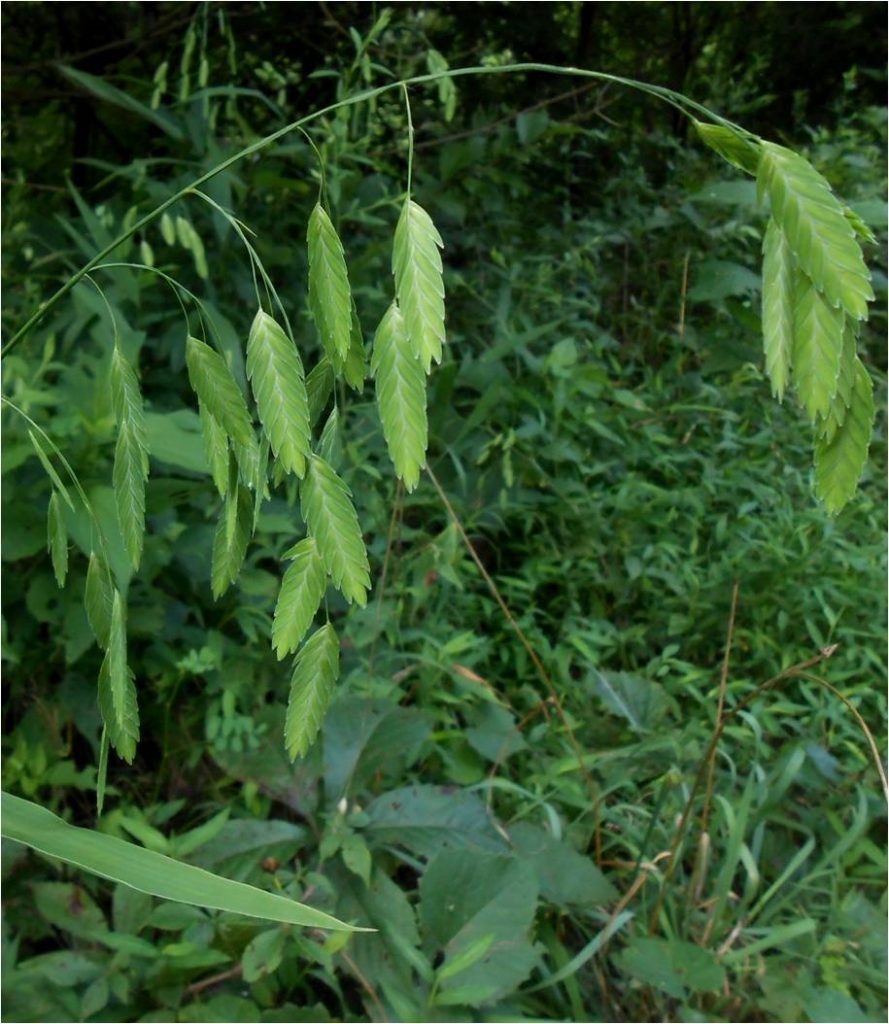

Upland river oats, also known as inland sea oats, are native to Georgia. They display distinctive, dangling seed heads that resemble flattened oats. They thrive in moist, rich soils and partial to full shade, which is unusual for ornamental grasses. Growing 3-4 feet tall, they’re excellent for woodland gardens, stream banks, or shady borders. The foliage is bright green, turning bronze in fall, and the seed heads persist into winter, providing interest and food for wildlife.
Eastern Bottlebrush Grass (Elymus hystrix)
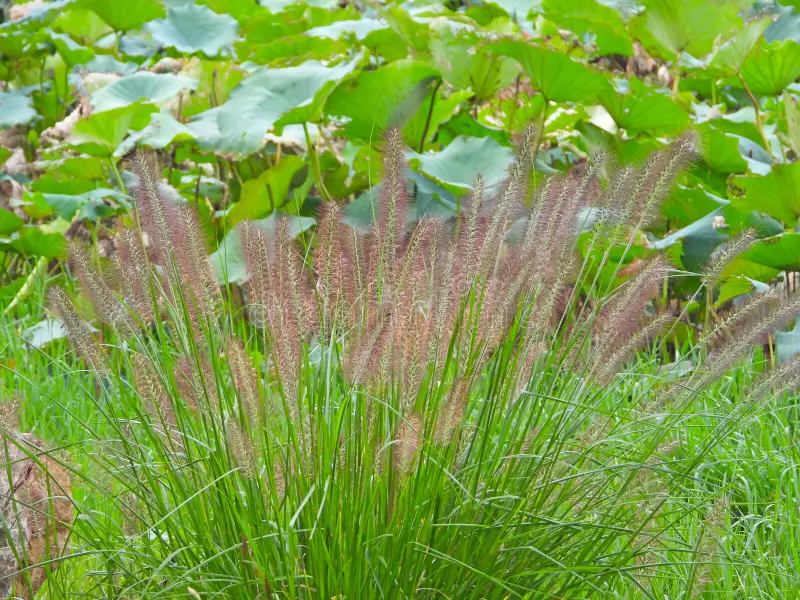
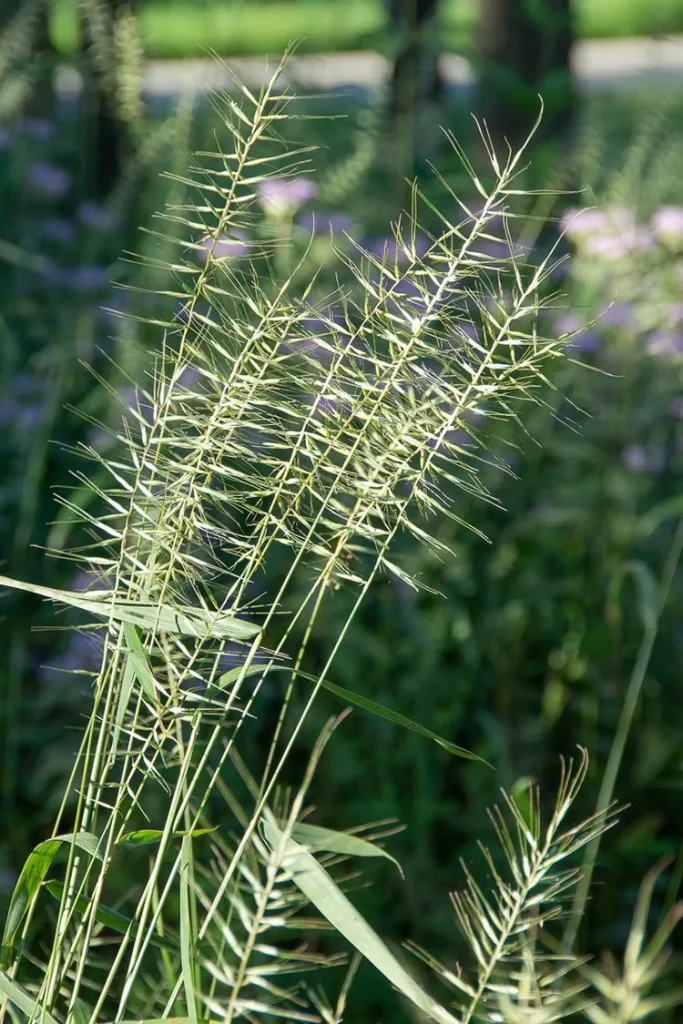
Another Georgia native, the eastern bottlebrush grass features tall, slender stems topped with bristly, bottlebrush-like flower spikes in the summer. It prefers moist, well-drained soils and partial shade, making it a good choice for shaded gardens or naturalized areas. Plants reach 2-3 feet tall, with medium-green leaves and unique, spiky blooms that add texture and architectural interest, especially in late summer and fall.
Hakone Grass (Hakonechloa macra)
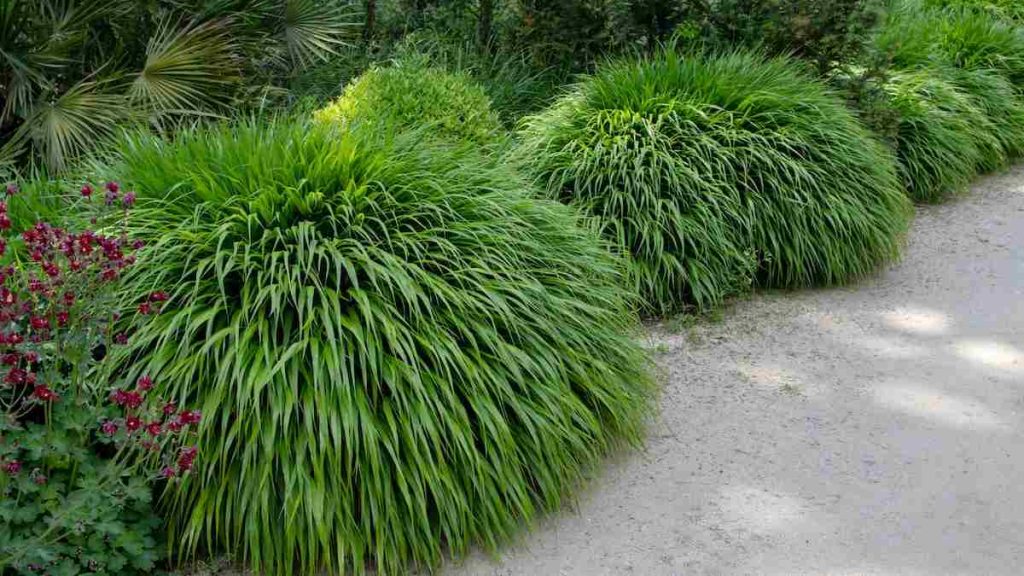
Hakone grass, also known as Japanese forst grass, brings a touch of elegance with its cascading, bamboo-like leaves. It thrives in moist, organically rich soils and partial to full shade, ideal for shaded borders or under trees. Growing 12-18 inches tall, its foliage can be bright green or variegated gold, offering a lush, flowing texture that softens hard edges and complements woodland plantings. It even looks good as a container specimen.
Little Bluestem (Schizachyrium scoparium)
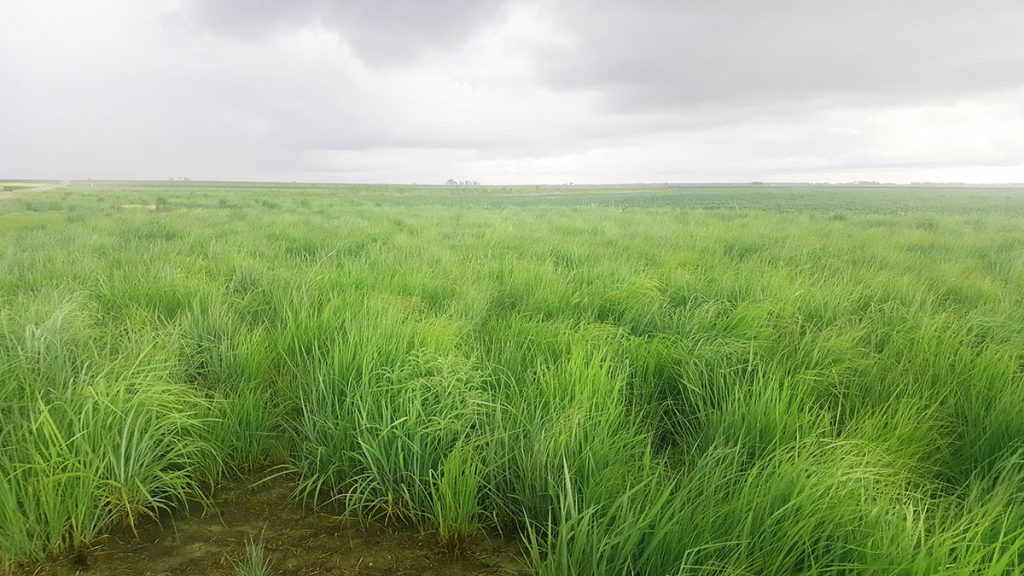
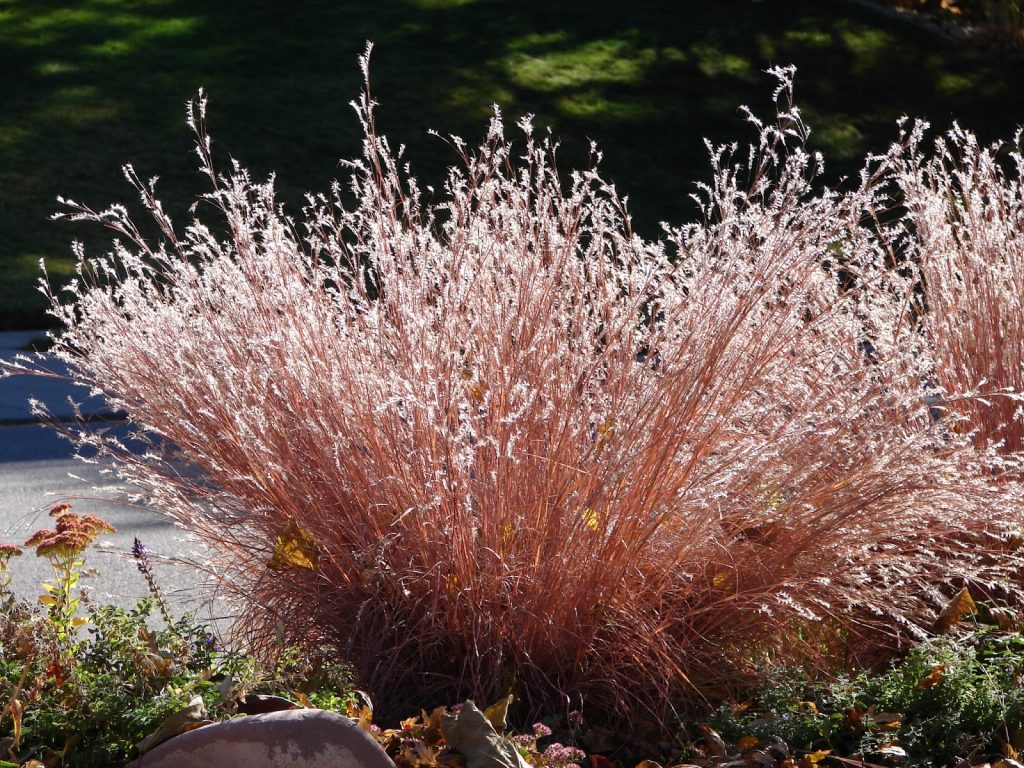
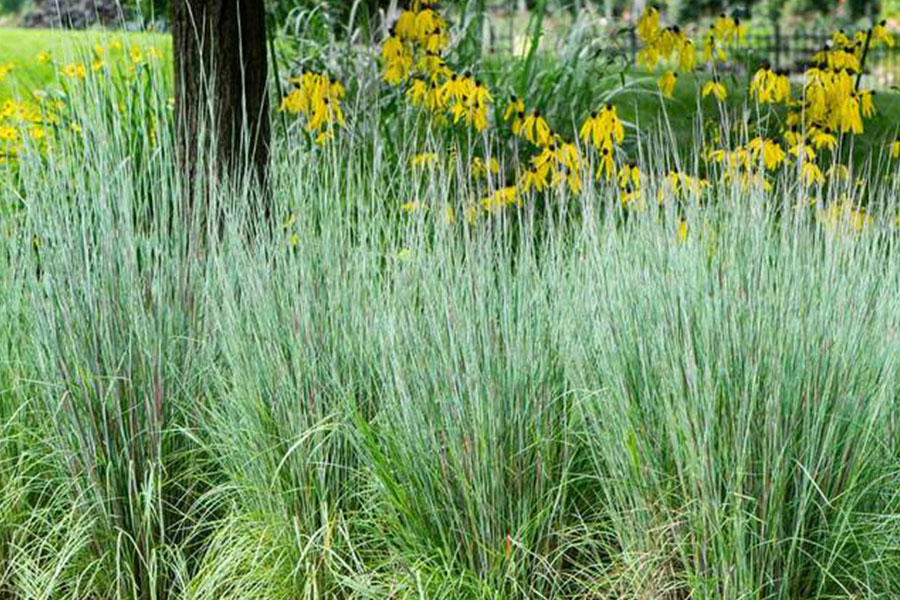
Little bluestem is a native grass valued for its upright form and seasonal color changes. It prefers well-drained, sandy or rocky soils and full sun, tolerating drought and poor soils. Plants reach 2-4 feet tall, with blue-green summer foliage that turns copper, red, and purple in fall. Use it in prairie-style gardens, meadows, or as a vertical accent—its colors shine in autumn and persist through winter. A prairie grass with a wide range throughout the 48 states, it is often is used in restoration projects and plays a vital role in the prairie ecosystem.
Purple Fountain Grass (Pennisetum setaceum ‘Rubrum’)
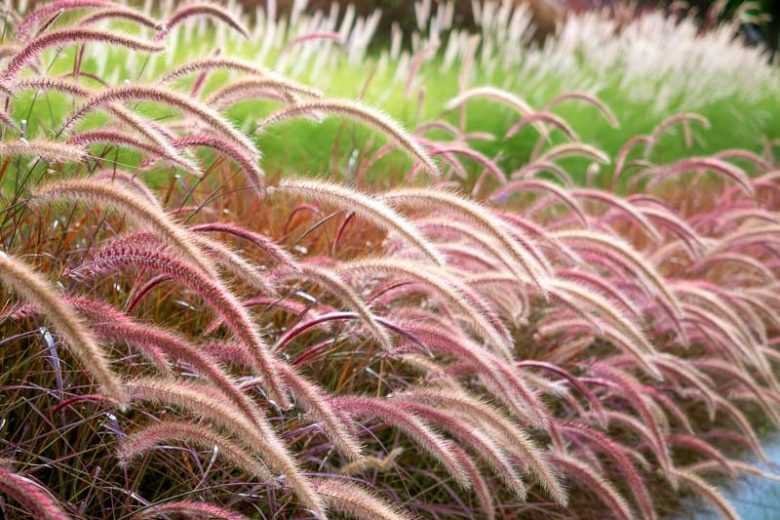
Purple fountain grass is grown for its striking purple foliage and arching purple-tinted fronds. It thrives in fertile, well-drained soils and full sun, reaching 3-5 feet tall. Use it as an annual accent in beds, borders, or containers—the dark leaves and dramatic plumes add color and contrast, especially alongside lighter grasses or flowering plants.
Design Tips: Combining Ornamental Grasses for Color and Texture
Mix grasses with varying heights, textures, and colors for a dynamic landscape. Combine fine-textured types like blue fescue and Mexican feathergrass with bold verticals like zebra grass or prairie cordgrass. Pair the fiery colors of Japanese Bloodgrass and little bluestem with the soft pink of muhly grass for seasonal drama. Use grasses as backdrops, focal points, or fillers between shrubs and perennials to create movement and interest throughout the year, ensuring your North Georgia property remains vibrant even during the peak of summer heat.
Get Growing with Ornamental Grasses
Ornamental grasses offer Georgia gardeners a wealth of options for beauty, resilience, and ease of care. By selecting varieties suited to your site’s soil and sun, and combining them creatively, you’ll enjoy a landscape that’s lively, colorful, and sustainable. Dig in this season and discover how ornamental grasses can transform your garden into a vibrant, ever-changing masterpiece! Looking for expert design and installation for your Atlanta yard? Contact the experts at Oasis Landscapes.